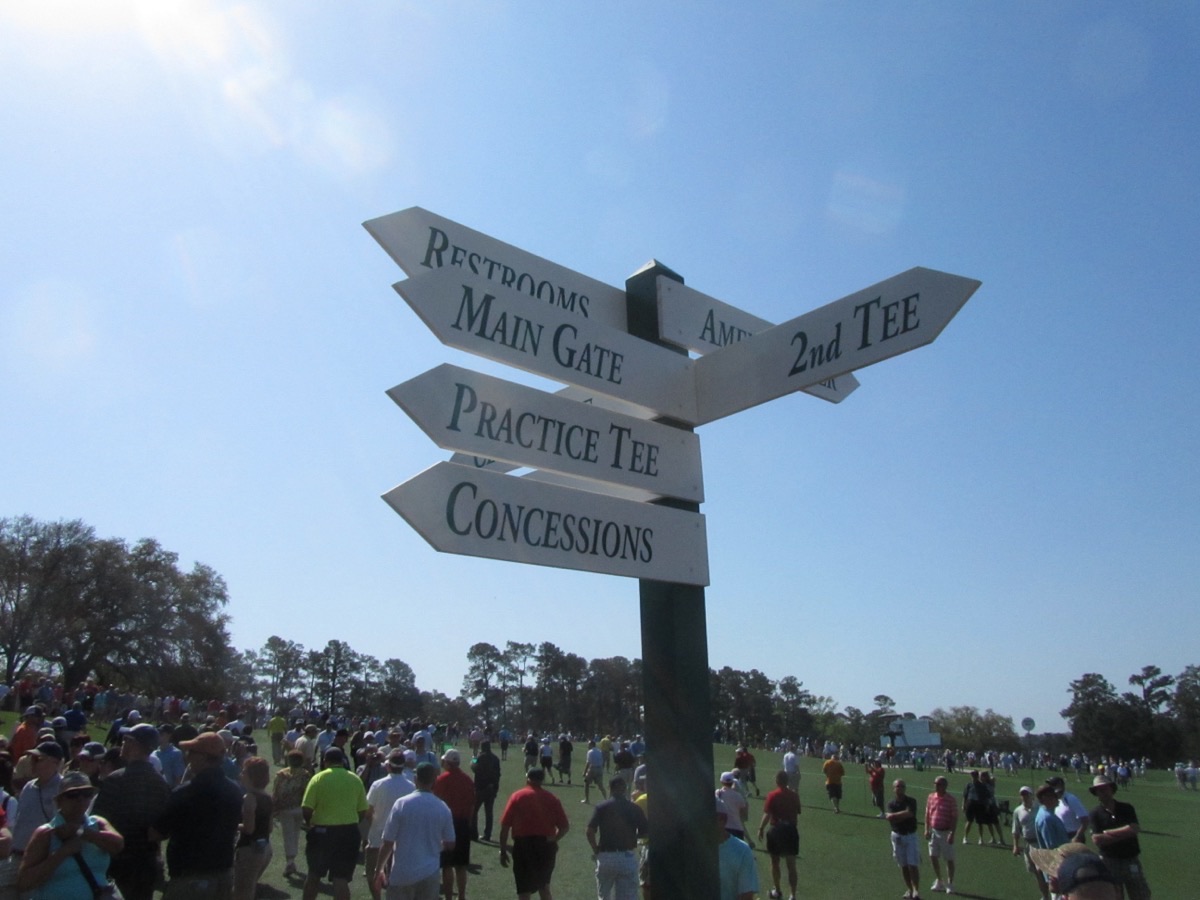
The U.S. Open stands as golf's ultimate examination, designed by the United States Golf Association to identify the sport's most complete player through the most demanding test in major championship golf. The 2026 edition promises to uphold this tradition whilst showcasing the modern game's evolution at one of America's most challenging venues.
Known for producing dramatic finishes, heartbreaking collapses and career-defining victories, the U.S. Open consistently delivers the most gruelling four days in professional golf. Here is everything you need to know about the 2026 championship.
U.S. Open Philosophy and History
Since 1895, the U.S. Open has operated under a simple but unforgiving principle: identify the best golfer in the world through the sternest possible test. The USGA takes pride in creating conditions where par represents a genuinely good score and where mental fortitude matters as much as physical skill.
USGA Course Setup Philosophy
The U.S. Open is renowned for its distinctive course setup that differentiates it from regular tour events:
- Narrow fairways: Often reduced to 25-28 yards wide, demanding precision off the tee
- Deep rough: Typically 4-5 inches high, severely penalising wayward shots
- Lightning-fast greens: Stimpmeter readings often reach 13-14, making putting treacherous
- Firm conditions: Hard, fast surfaces that reject imperfect approach shots
This setup philosophy creates a unique challenge where conservative, intelligent play often trumps aggressive scoring attempts.
2026 Venue and Course Details
The USGA will announce the 2026 U.S. Open venue according to their traditional rotation schedule. U.S. Open venues typically share certain characteristics that make them suitable for the championship's demanding requirements:
Typical Venue Characteristics
Length and Layout
- Championship tees extending beyond 7,400 yards
- Strategic bunkering that punishes both short and long misses
- Green complexes with multiple pin positions and severe slopes
- Closing holes that test players under maximum pressure
Historical U.S. Open Venues The USGA rotates among America's most challenging courses, including:
- Oakmont Country Club (Pennsylvania): Famous for its church pew bunkers and lightning-fast greens
- Winged Foot Golf Club (New York): Nicknamed "the monster" for its unforgiving design
- Pebble Beach Golf Links (California): The only public course to regularly host majors
- Shinnecock Hills Golf Club (New York): One of America's oldest clubs with fierce conditions
Course Conditioning Expectations
Regardless of venue, the 2026 U.S. Open will feature the USGA's signature conditioning:
Fairway Strategy Fairway width and rough height designed to reward accuracy over distance, though modern players' length creates constant strategic tension.
Green Complexity Pin positions that demand precise approach shots, with severe penalties for missed greens due to challenging recovery shots.
Weather Contingencies The USGA prepares for various weather scenarios, adjusting course setup daily to maintain the intended difficulty regardless of conditions.
Expected Field and Qualification
The U.S. Open features the most democratic qualification process of any major, with approximately half the field earning spots through qualifying events rather than exemptions.
Automatic Qualifiers
Past Champions
- U.S. Open winners from the previous 10 years receive automatic entry
- Other major champions from the previous five years
- Previous two winners of The Open Championship, Masters and PGA Championship
Current Form
- Top 60 in Official World Golf Ranking as of the deadline
- Winners of PGA Tour events since the previous U.S. Open
- Top finishers from previous year's U.S. Open
Amateur Qualifiers
- U.S. Amateur champion
- U.S. Mid-Amateur champion
- Additional amateur spots through qualifying
Qualifying Process
The U.S. Open's extensive qualifying process creates compelling storylines and gives unknown players chances to compete with the world's best:
Local Qualifying Held at courses across the United States, local qualifying offers the first step for aspiring competitors.
Sectional Qualifying Regional events held approximately two weeks before the championship, creating final dramatic qualification scenarios.
International Qualifying Events held worldwide to accommodate international players who cannot travel for U.S. qualifying.
Players to Watch in 2026
The U.S. Open traditionally attracts the strongest field in professional golf, combining established stars with emerging talents and qualifying surprises.
Established Champions
Scottie Scheffler The world number one's methodical approach and exceptional course management make him ideally suited to U.S. Open conditions. His ability to grind out scores under pressure fits perfectly with the championship's demands.
Brooks Koepka The four-time major champion has an exceptional U.S. Open record, with multiple victories demonstrating his ability to peak for the sport's most demanding test.
Dustin Johnson His combination of length and short-game precision gives him significant advantages on challenging U.S. Open setups.
Emerging Contenders
Modern golf's depth means that numerous players arrive capable of claiming their first major championship, with the U.S. Open's demanding conditions often favouring players who combine power with precision.
International Representatives
The U.S. Open's global qualification process ensures strong international representation, with players from multiple continents earning spots through various pathways.
Historical Context and Records
The U.S. Open has produced some of golf's most memorable moments and established numerous records that highlight the championship's unique character:
Scoring Records
- Lowest 72-hole total: Multiple players have reached 16-under par on occasions when conditions allowed
- Highest winning score: +5 has won twice, demonstrating the championship's ability to test even the world's best
- Largest victory margin: 15 strokes by Tiger Woods at Pebble Beach in 2000
Memorable Moments
- Tiger's dominance: His 2000 victory at Pebble Beach by 15 strokes remains the most dominant major championship performance
- Dramatic playoffs: The U.S. Open has produced numerous memorable playoffs, including sudden-death and 18-hole formats
- Amateur success: Amateur winners and strong showings remain part of U.S. Open lore
Strategic Elements and Course Management
Success at the U.S. Open requires different strategic thinking than regular tour events:
Tee Shot Strategy
With narrow fairways and punishing rough, driving strategy becomes paramount. Players must balance distance with accuracy, often laying back to ensure finding the fairway.
Approach Play
Firm greens and severe pin positions demand conservative approach strategies. Players often aim for centres of greens rather than attacking pins.
Short Game Excellence
Recovery play becomes crucial when missing greens in regulation. The combination of deep rough and firm greens makes par saves extremely challenging.
Mental Fortitude
The U.S. Open tests mental strength more than any other major. Players must maintain patience and composure whilst watching scores climb throughout the field.
How to Follow U.S. Open 2026 Live
The U.S. Open creates unique viewing drama, with leaderboards fluctuating constantly as players battle both the course and conditions:
Real-time Score Tracking Following players hole by hole becomes essential as conditions and course setup create constant scoring volatility.
Cut Line Drama The U.S. Open's challenging conditions often push the cut line higher than other majors, creating intense Friday drama.
Leaderboard Movement Scoring opportunities and disasters happen rapidly on U.S. Open setups, making live tracking crucial for understanding the championship's evolution.
GolfMode provides comprehensive U.S. Open coverage with detailed statistics and real-time updates that capture every twist of this demanding championship. For broader context on professional golf, see our complete guide to golf's major championships.
Weather and Conditions Impact
The U.S. Open's June timing means weather can significantly impact play:
Wind Effects
Strong winds can make already challenging courses nearly unplayable, with scoring averages rising dramatically.
Rain and Soft Conditions
Occasional soft conditions from rain can lower scoring, though the USGA adjusts setup accordingly.
Heat and Humidity
Summer conditions test players' endurance over four demanding days.
Frequently Asked Questions
When is the U.S. Open 2026 played?
The U.S. Open traditionally takes place over Father's Day weekend in June. The 2026 championship will follow this tradition, with the exact dates announced by the USGA as part of their official schedule.
How difficult is U.S. Open qualifying?
U.S. Open qualifying is extraordinarily competitive. Local qualifying typically sees hundreds of players competing for just a few spots, whilst sectional qualifying features fields including tour professionals, top amateurs and former champions all vying for the remaining places.
What makes the U.S. Open different from other majors?
The U.S. Open's distinctive course setup - featuring narrow fairways, deep rough and lightning-fast greens - creates a unique test that emphasises precision and course management over aggressive scoring. This setup philosophy makes it the most consistently difficult major championship.
Can amateurs compete in the U.S. Open?
Yes. The U.S. Open reserves several spots for amateur players, including automatic qualifiers such as the U.S. Amateur champion and additional amateurs who earn spots through qualifying. This tradition maintains the championship's connection to golf's broader community.
What is the prize money for the U.S. Open?
The U.S. Open typically features one of golf's largest prize purses, with the total often exceeding $20 million. The champion's share usually approaches $4 million, reflecting the championship's prestige and commercial success.
Follow every shot of U.S. Open 2026 live on GolfMode - download free.
Published by GolfMode Editorial. Our content is researched and fact-checked by golf journalists covering professional tours worldwide. Learn about our editorial approach.
GolfMode App
Follow the action live.
Real-time scores, player alerts, and hole-by-hole tracking across every major tour.
Download — It's Free